ForgeLogbooks Blog
Gym Logbook vs. Fitness Planner: Which One Do You Actually Need?
One tracks what you did. The other plans what you will do. They solve different problems, and most lifters only need one.
Why this matters
A comparison of gym logbooks and fitness planners, covering what each does, when you need one versus the other, and why most lifters are better served by a logbook than a planner.
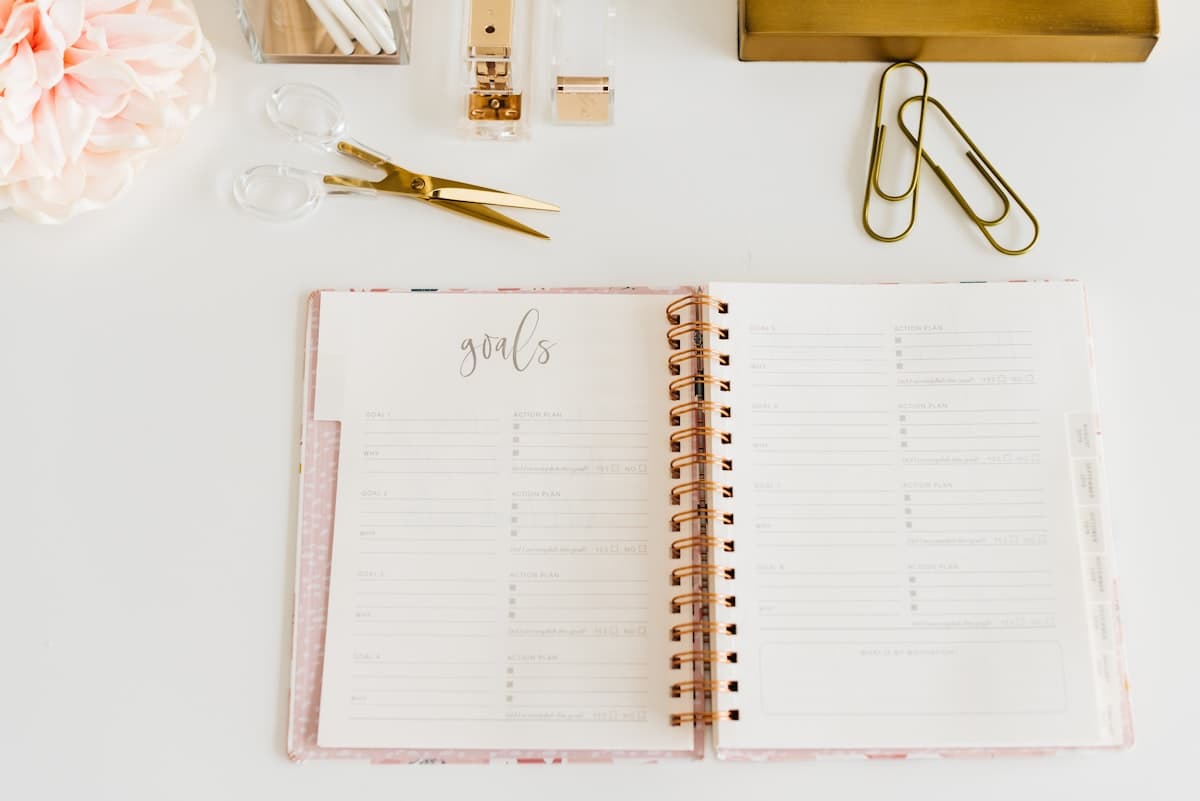
Fitness planners are everywhere: weekly layouts with meal sections, habit trackers, goal pages, and motivational quotes. Gym logbooks are simpler: exercise, weight, reps, done. They look similar on a shelf but solve completely different problems. A planner helps you organize your intentions. A logbook records your actions. Most lifters need the second one more than the first.
Planner completion rate
<20%
Most fitness planners are abandoned within 6 weeks. The planning format does not match training reality.
Logbook completion rate
40-50%
Logbooks are used during training, which integrates them into the session rather than adding a separate task.
Data utility
Logbook wins
Planners generate intentions. Logbooks generate data. Only data drives training decisions.
The Difference
What Each One Actually Does
A fitness planner is a forward-looking tool. It has weekly layouts where you write what you plan to eat, when you plan to train, what goals you are working toward, and how you want to feel. It is structured around intentions and habits. Many include motivational quotes, reflection prompts, and vision board pages. They are designed to inspire action.
A gym logbook is a backward-looking tool. It records what actually happened: which exercises you did, how much weight you used, how many reps you got, and how the session felt. It is structured around data collection. No quotes. No meal plans. Just training facts that you can compare across days, weeks, and months.
Both have value, but they solve different problems. A planner helps you decide what to do. A logbook tells you whether what you did worked.
When You Need a Planner
When a Fitness Planner Makes Sense
A planner works well if you are building a new fitness habit from scratch and need structure around scheduling, meal prep, and consistency. If you struggle with showing up to the gym at all, a planner that blocks out your training days and meal prep times can help you build the routine.
Planners also work for lifters who want to track nutrition, sleep, water intake, and mindset alongside training. If you are managing multiple wellness goals simultaneously and want everything in one place, a planner provides that holistic view.
Where planners fail is in the gym itself. Most planners are not designed to be opened between sets. The weekly layout does not have enough space for detailed exercise tracking. And the planning sections become noise once the habit is established.
When You Need a Logbook
When a Gym Logbook Is the Better Choice
If you already show up to the gym consistently and follow a program, a logbook is what you need. You do not need to plan your sessions because your program does that. You need to record what happened during each session so you can track progression, identify stalls, and make data-driven adjustments.
A logbook is also the better choice if you want a tool that lives in the gym with you. It is designed to be opened between sets, written in quickly, and reviewed before the next session. The format matches the use case: fast data capture during training, easy comparison during review.
Most serious lifters use a logbook, not a planner, because the training decision they face daily is not 'should I go to the gym?' but 'what weight should I put on the bar today?' Only a logbook answers that question.
The Verdict
One or Both?
If you are new to fitness and building the habit, start with a planner. It will help you establish the routine. Once the routine is solid (you go to the gym without needing to convince yourself), switch to a logbook.
If you are an experienced lifter with consistent habits, a logbook is all you need. The planner adds overhead without adding useful training data.
Some lifters use both: a planner at home for scheduling and nutrition, and a logbook in the gym for training data. This works but doubles the tracking effort. If you are going to pick one, pick the logbook. Training data drives results. Intentions do not.
Action checklist
Deploy it this week
Assess where you are
Struggling to show up? Start with a planner. Already consistent? Get a logbook.
Check what you need from the tool
Motivation and scheduling? Planner. Training data and progression? Logbook.
Use one tool consistently before adding another
Two half-used tools are worse than one fully used tool.
If in doubt, choose the logbook
Data drives decisions. A logbook generates data. A planner generates intentions.
Remember
3 takeaways to screenshot
- ⚡Fitness planners help you build habits and organize intentions. Gym logbooks record what actually happened and drive training decisions.
- ⚡New lifters building the gym habit may benefit from a planner first. Consistent lifters need a logbook, not a planner.
- ⚡If you can only pick one, pick the logbook. Training data is more useful for progress than planning and motivation.
FAQs
Readers keep asking…
Can a logbook replace a planner?
For training, yes. For broader lifestyle management (meal prep, sleep scheduling, habit tracking), no. But most lifters find that once training is consistent, the other habits follow without needing a planner.
Are fitness planners worth the money?
If you will actually use one to build habits, yes. If you buy one, fill it in for two weeks, and abandon it (which most people do), no. A simple calendar and a logbook are cheaper and more effective.
What about digital planners?
Digital planners (Notion templates, Google Calendar) work for scheduling but keep you on your phone. In the gym, a paper logbook is faster and less distracting than any digital tool.
Can I track nutrition in my logbook?
You can, but keep it simple. A daily calorie estimate and protein total at the bottom of each training page is enough for most lifters. For detailed nutrition tracking, use a separate tool or app.
Still with us?
Turn today’s insight into a paper trail of progress.
ForgeLogbooks pairs premium materials with conversion-ready layouts so your training feels pro, on and off the platform.