ForgeLogbooks Blog
How to Track Cardio and Conditioning in a Strength Training Logbook
You already track your squats and deadlifts. Here is how to log prowler pushes, intervals, and zone 2 work without cluttering your strength pages.
Why this matters
A guide to adding conditioning and cardio tracking to a strength-focused training logbook, covering notation systems, layout, and how to keep conditioning data separate from barbell work.
Most strength logbooks ignore conditioning entirely. There is no row for sled pushes. No column for interval times. No section for the 30-minute walk you do for heart health. But if you are doing conditioning work alongside your barbell training, and you should be, that work needs tracking too. Otherwise you are guessing at loads, distances, and rest periods that directly affect your recovery and your strength work.
Lifters doing conditioning
70%+
Most serious lifters include some form of conditioning, but few track it systematically.
Tracking time per session
30 sec
Conditioning notation is quick once you have a system. One or two lines per session.
Recovery impact
Significant
Conditioning volume directly affects barbell recovery. Tracking it reveals interference patterns.
The Problem
Why Lifters Skip Conditioning Tracking (and Why That Costs Them)
Conditioning work often happens at the end of a session or on a separate day. It feels informal compared to barbell training, so it does not feel worth logging. You pushed the sled for a few trips, rode the bike for 20 minutes, or did some farmer carries. What is there to write down?
The answer is: the exact data that explains your recovery. If you did heavy prowler pushes on Wednesday and your squat session on Thursday felt terrible, the logbook should connect those two data points. If you started doing 30 minutes of zone 2 cardio three times per week and your work capacity improved over a month, the logbook should show that trend. Without tracking, these connections stay invisible.
Conditioning also has its own progression. You want sled pushes to get heavier or faster over time. You want interval rest periods to shrink. You want zone 2 heart rate to drop at the same pace. These progressions are real training outcomes, and they deserve the same tracking discipline you give your squat.
Notation Systems
Three Notation Systems for Different Conditioning Types
Not all conditioning tracks the same way. Here are three systems for the three main types of conditioning work lifters do.
High-intensity intervals (HIIT)
Track the work interval, rest interval, and number of rounds. Example: Bike sprints, 30s on / 90s off x 8 rounds. Note peak heart rate if you wear a monitor. Progression: shorten rest or add rounds.
Loaded carries and sled work
Track weight, distance or time, and number of trips. Example: Prowler 180 lbs x 40 yards x 6 trips, 90s rest. Progression: add weight, add trips, or shorten rest.
Zone 2 steady-state (walking, cycling, rowing)
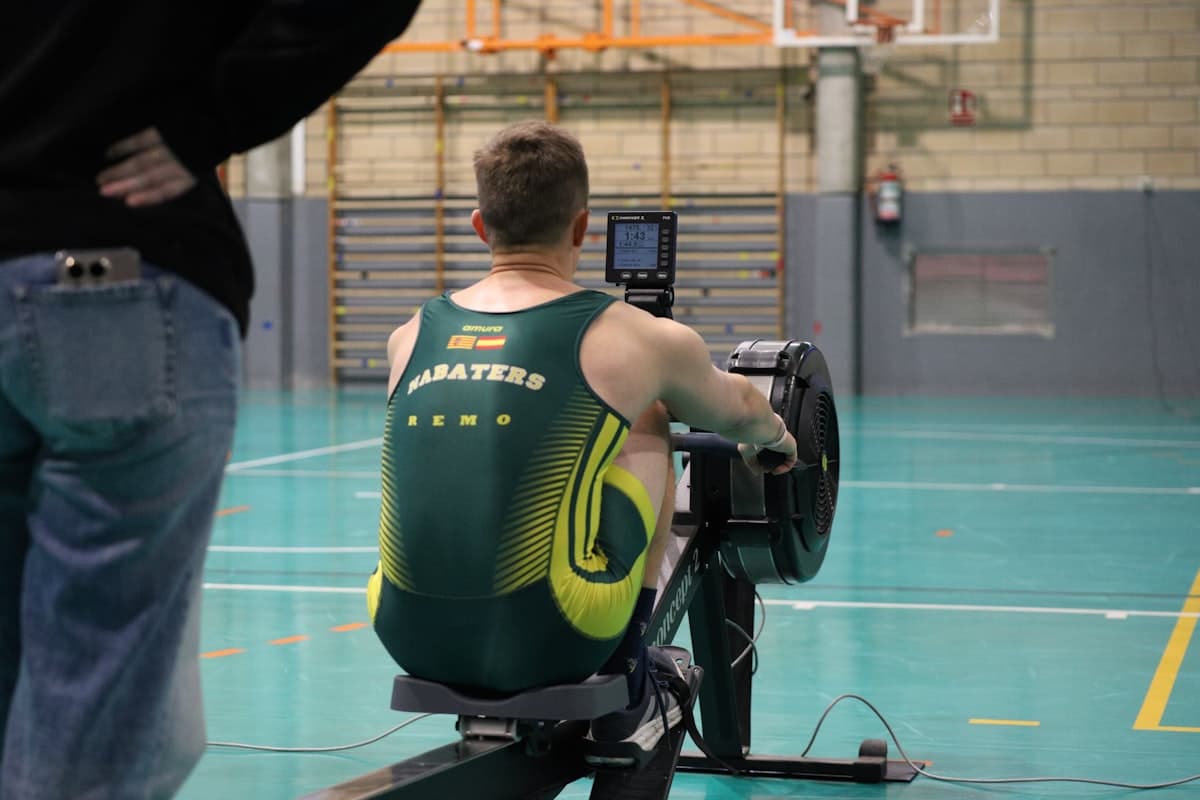
Track duration, average heart rate, and perceived effort. Example: Rower 30 min, avg HR 135, effort 5/10. Progression: same heart rate at higher pace, or lower heart rate at the same pace.
Layout
Where to Put Conditioning in Your Logbook
Do not mix conditioning data with your barbell work on the same section of the page. The notation styles are too different and it creates visual clutter. Instead, use one of these three layout approaches.
Option one: add a conditioning section at the bottom of each training day page. Two or three lines below your strength work, separated by a horizontal line. This works if you do conditioning after every barbell session.
Option two: dedicate separate pages for conditioning-only days. If you do conditioning on off days, give those sessions their own pages with appropriate headers (date, time, type of conditioning, duration).
Option three: use the back pages of your logbook as a running conditioning log. One line per session, dated, with the shorthand notation. This keeps all conditioning data in one place for easy review. You can flip to the back to check conditioning trends without paging through barbell sessions.
Interference Tracking
Using Conditioning Data to Manage Recovery
The most valuable use of conditioning data is cross-referencing it with your strength performance. If you notice that squat sessions after heavy sled days consistently feel harder (higher RPE at the same weight), you have identified an interference pattern. The fix might be moving sled work further from squat day, reducing sled volume, or accepting the trade-off and adjusting squat expectations.
Track total weekly conditioning volume as a simple number: total minutes or total trips. Plot this alongside your strength performance week over week. If conditioning volume creeps up and strength stalls, you found the interference point. If conditioning volume stays stable and strength still climbs, you are managing the balance well.
This data is only available if you log both sides of the equation. Tracking strength without conditioning is like tracking diet without tracking exercise. Half the picture is missing.
Action checklist
Deploy it this week
Pick a notation system per conditioning type
HIIT: work/rest x rounds. Loaded carries: weight x distance x trips. Zone 2: duration and heart rate.
Choose a layout approach
Bottom of each training page, separate conditioning pages, or a running log in the back of your book.
Track weekly conditioning volume
Total minutes or total trips per week. Compare with strength performance trends.
Check for interference patterns
If barbell sessions after conditioning days consistently feel harder, adjust scheduling or volume.
Remember
3 takeaways to screenshot
- ⚡Conditioning work deserves tracking because it directly affects recovery, work capacity, and strength performance.
- ⚡Use different notation systems for different conditioning types: intervals track work/rest ratios, loaded carries track weight and trips, steady-state tracks duration and heart rate.
- ⚡Cross-reference conditioning data with strength data to identify interference patterns and manage total training stress.
FAQs
Readers keep asking…
Will tracking conditioning make my logbook too cluttered?
Not if you keep it separate from barbell work. Two lines at the bottom of a page or a dedicated section in the back of your book adds minimal clutter while capturing data you would otherwise lose.
What if I only do walks for conditioning?
Track duration and perceived effort. Walking is legitimate zone 2 conditioning for many lifters. Progression is usually increasing duration or pace while keeping effort stable.
Should I track heart rate?
If you wear a heart rate monitor, yes. Heart rate data is especially useful for zone 2 work where the goal is staying in a specific heart rate range. For HIIT and loaded carries, heart rate is less important than performance metrics like weight and speed.
How much conditioning can I do without hurting my strength?
That depends on your recovery capacity, nutrition, and training volume. Your logbook is the tool that answers this question for your body specifically. Track both and look for the interference point.
Still with us?
Turn today’s insight into a paper trail of progress.
ForgeLogbooks pairs premium materials with conversion-ready layouts so your training feels pro, on and off the platform.